Legal Guide to Hazardous Waste During Selsdon Moves
Posted on 29/07/2026
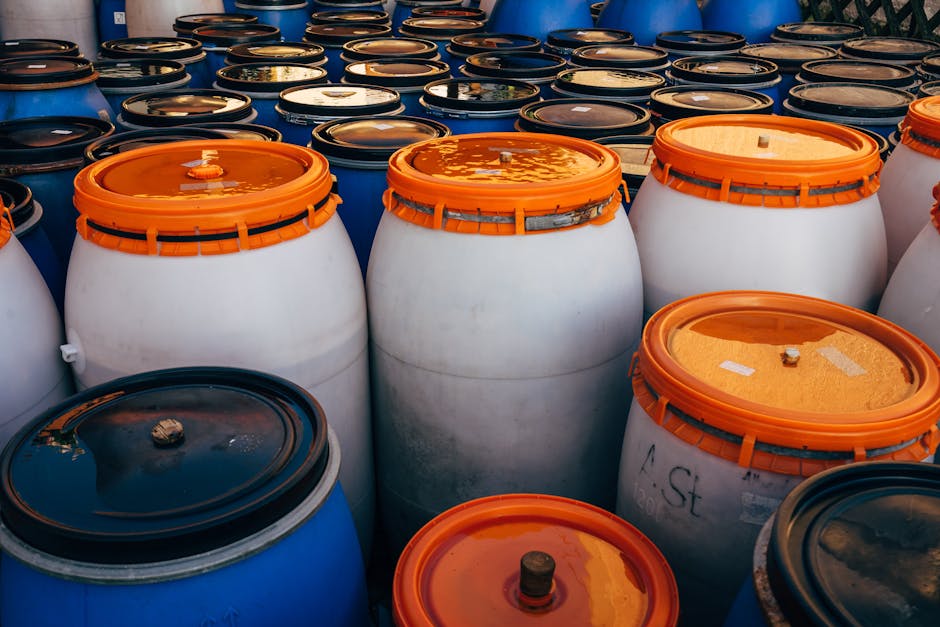
Moving house in Selsdon can feel busy enough without a box of paint tins, old cleaning products, batteries, or garden chemicals suddenly becoming the awkward item nobody wants to touch. That is where a clear, practical Legal Guide to Hazardous Waste During Selsdon Moves really earns its keep. If you are packing up a flat near Addington Road, clearing a family home, or managing an office move, you need to know what can travel with the van, what must be separated, and what should be handled before moving day. Get it wrong and you risk delays, fines, contamination, or just a very stressful handover. Get it right and the whole move feels calmer, safer, and oddly satisfying.
This guide explains the legal basics in plain English, with a local Selsdon moving context in mind. You will find out what counts as hazardous waste, how to sort and store it, when specialist disposal is needed, and how to stay on the sensible side of UK compliance without making the process more complicated than it needs to be. Truth be told, most people only need a handful of good habits to avoid trouble.
Why Legal Guide to Hazardous Waste During Selsdon Moves Matters
Hazardous waste is not just "messy stuff in the shed." It is anything that can harm people, property, or the environment if it is handled badly. In moving terms, that often includes items such as leftover paint, solvents, aerosols, pesticides, batteries, fluorescent tubes, fuels, fridge coolant issues, and certain cleaning chemicals. Some items may also need special treatment because they are flammable, corrosive, toxic, or simply not suitable for transport with ordinary household goods.
Why does this matter during a move? Because moving day compresses everything. Boxes are stacked near the door, vans are arriving and leaving, the kettle is somewhere unfindable, and there is always one last cupboard people forget to open until the final hour. If hazardous waste is mixed in with regular belongings, the risk goes up fast. A small leak in a van can ruin furniture, create fumes, or turn a simple trip across Selsdon into a headache nobody wanted.
There is also the legal side. In the UK, waste must be managed carefully, and that duty does not magically disappear because you are changing address. You are expected to keep dangerous materials separated, use proper disposal routes, and avoid dumping items where they could harm others. If you are a landlord, tenant, homeowner, student, or business owner, the responsibility can look a little different, but the basic idea stays the same: don't just throw hazardous stuff into a random bin bag and hope for the best. That rarely ends well.
If you are already planning the broader move, it helps to build this topic into the rest of your prep. A good declutter pass, for example, makes it easier to separate out chemicals and old products before everything gets boxed up. You may also find it useful to read smart decluttering ideas for a less frantic move and a moving-out checklist that keeps the final clean surprisingly manageable.
How Legal Guide to Hazardous Waste During Selsdon Moves Works
The simplest way to think about hazardous waste during a move is this: identify, isolate, label, and dispose. That four-step logic keeps the process tidy and safe. It also reduces the chance that something hazardous gets packed by mistake because it looked "small enough" or "probably fine."
First, identify the items. Walk through the property room by room. Check cupboards under the sink, garage shelves, under-bed storage, utility spaces, garden sheds, and any tucked-away corners where products often build up over the years. People are usually surprised by how much they find. A half-used tin of white spirit here, a bag of old batteries there, maybe a couple of smoke alarms and a leaking bottle of bleach that has gone cloudy. Not glamorous, but important.
Next, isolate the waste. Keep hazardous items away from food, textiles, electronics, and anything that could absorb a spill. Use the original container where possible, because the product name and warning labels are already there. If the original container is damaged, use a suitable replacement and make a clear note of the contents. No mystery bottles, if you can help it.
Then, label it. This does not need to be industrial-looking. A simple written label explaining what the item is, whether it is flammable, and whether the container has been opened is often enough for household-scale moving prep. It helps anyone assisting you understand what they are dealing with, including the person unloading, the person cleaning, or the disposal service later on.
Finally, dispose of it correctly. Some hazardous materials need a specialist collection or designated disposal route rather than inclusion in general waste. If you are unsure, assume the item needs extra care and set it aside until you have checked. That is far better than discovering too late that a can of old solvent has split in the bottom of a box. Few things smell quite as memorable, and not in a good way.
On the moving side, this often links with wider logistics. If the move is time-sensitive, you may be juggling parking, loading access, and van timing at the same time. For that reason, it can help to review practical moving advice like local parking suspension and van restriction guidance and permit considerations for house removals in Croydon. The more you handle before the van turns up, the easier the day feels.
Key Benefits and Practical Advantages
There are several very real advantages to handling hazardous waste properly before or during a move. Some are obvious. Some only become obvious after a near miss.
- Safer moving day: Fewer leaks, fumes, spills, and avoidable hazards in the van or hallway.
- Less risk of damage: Chemicals can stain boxes, furniture, flooring, and soft furnishings quickly.
- Cleaner handover: A property that is stripped of dangerous leftovers is easier to leave in good condition.
- Better compliance: You reduce the chance of improper disposal or accidental mixing of materials.
- Faster packing: Once the hazardous items are separated, the rest of the move becomes simpler to manage.
- Peace of mind: Let's face it, nobody wants to wonder later whether they left something risky behind.
There is also a hidden benefit: you tend to declutter more honestly when you inspect the risky items. Old half-used products often reveal how much unnecessary clutter has built up. If you are doing a broader clear-out, this pairs well with safe bulky waste disposal after a move and packing strategies that keep the process orderly. A tidy move is rarely an accident.
Who This Is For and When It Makes Sense
This guide is useful for more people than you might think. If you are moving a one-bed flat, a family home, a shared student property, or a small office, hazardous waste can appear in any of them.
Homeowners often have the biggest collection of mixed items: old paint, garden chemicals, motor oil, cleaning products, batteries, and maybe a forgotten tin of varnish from a DIY project years ago.
Tenants need to pay particular attention when ending a tenancy, because abandoned hazardous items can create dispute at handover. A room might look clean, but one box in the cupboard can still cause problems.
Landlords and letting agents may need to check for left-behind hazardous waste after a tenant move. This is one of those details that is easy to miss until inventory day, and then everyone starts poking around behind the boiler like amateur detectives.
Students are a smaller-scale case, but still relevant. Batteries, vape components, aerosols, and old cleaning supplies do turn up in student moves, especially when people are rushing between term-time and storage.
Small business owners and office managers should also pay attention. Printer toner, spare batteries, solvents, maintenance materials, and discarded electronic equipment can all create compliance issues if they are bundled into ordinary removal loads. If you are moving a workspace, it is worth planning ahead with office removals in Selsdon in mind as part of a broader safety-first approach.
It makes sense whenever the move involves more than basic household goods. If anything is flammable, corrosive, pressurised, toxic, or unknown, stop and review it separately.
Step-by-Step Guidance
Here is the practical version. No drama, just a clean sequence you can actually follow.
- Walk every storage area. Check cupboards, sheds, garages, lofts, bathrooms, utility spaces, and behind appliances.
- Create a hazardous waste pile. Keep it physically separate from boxed belongings and moving cartons.
- Sort by type. Group paint, batteries, aerosols, chemicals, cleaning products, bulbs, and electronic items separately.
- Check containers. Make sure lids are sealed and containers are upright. If a container is damaged, contain it safely.
- Keep original labels where possible. That helps identify the item and supports safe handling.
- Never mix unknown substances. Two harmless-looking liquids can react badly, and nobody wants that during a house move.
- Find the correct disposal route. Use a legitimate disposal option suitable for the item type and quantity.
- Record what you are discarding. A simple note on paper or on your phone is useful if there is later a question about what was removed.
- Keep hazardous items out of the van load unless explicitly safe and appropriate. This is a major point. Ordinary removals are not the place to improvise.
- Do a final sweep before key handover. It is amazing how often one item turns up at the last minute, usually in a drawer no one had opened for years.
If you are moving into a property with limited access, narrow stairs, or awkward parking, you may already know that the day needs careful sequencing. Practical movement advice like packing for flats in Selsdon can help you organise the non-hazardous side, leaving you more headspace for the awkward items.
Expert Tips for Better Results
A few small habits make a big difference.
- Start early. Hazardous waste takes longer than people expect because the disposal path may not be immediate.
- Use a "do not pack" zone. Put a visible tray, crate, or marked corner in the home for restricted items.
- Inspect before you pack everything else. Once the general boxes are sealed, it becomes harder to see what is still left behind.
- Keep children and pets away from the sorting area. That sounds obvious, but move days are chaotic and curious hands do wander.
- Keep liquids separate from electronics and paper. A tiny spill can become a much bigger issue during transit.
- Plan for the weather. A wet or very hot day can make some materials harder to handle safely. Funny how moving day always seems to choose the awkward forecast.
- Ask for help with unknown items. If you cannot identify a product confidently, do not guess.
One useful trick is to pair hazardous waste separation with your regular decluttering session. That way, you only handle each room once. If you need a gentle nudge on the organisation side, the advice in how to keep a house move calm and manageable fits neatly with this stage of the process.

Common Mistakes to Avoid
Most issues come from rushing. Not malice, not recklessness, just a fast move and too many small decisions happening at once.
- Packing hazardous items with ordinary belongings. This is the biggest one. A leaking bottle should never be hidden in a box of books.
- Removing labels. People sometimes do this to "make things neat." It actually makes safe disposal harder.
- Mixing different substances together. Even if they are both household products, they may not belong in the same container.
- Leaving disposal to moving day. By then, the schedule is too tight and errors happen.
- Ignoring rechargeable batteries. These are easy to overlook and should be treated with care.
- Assuming every van can carry everything. Ordinary removal transport is not a catch-all solution for hazardous materials.
- Forgetting storage areas outside the main house. Sheds and garages are classic hiding places.
And yes, one small mistake can snowball. A split aerosol can in a box of linens is a lot more annoying than it sounds. The smell alone is enough to sour the whole afternoon.
Tools, Resources and Recommendations
You do not need specialist gear for every household situation, but a few simple tools help enormously.
- Sturdy gloves: Useful when checking old boxes, broken lids, or dusty storage areas.
- Marker pens and labels: For marking boxes or containers clearly.
- Sealable containers: Helpful when you need to isolate small items safely.
- Plastic trays or tubs: Good for containing drips under bottles and tins.
- Bin liners for non-liquid residue: Only where appropriate and never for mixing incompatible materials.
- Notebook or phone checklist: Keep a running list of what has been identified and set aside.
For broader moving support, it can help to read practical pieces on the website's moving and handling advice. If furniture or heavy items are also in the picture, safe lifting technique guidance and tips for managing awkward solo lifts can reduce strain while you prepare the property. And if you are coordinating the removal side itself, the general overview at the services overview may help you understand where everything fits in the move plan.
If you are also thinking about sustainability, it is worth treating hazardous waste and reusable items differently. Hazardous items need safe routing; reusable goods may be redirected for storage or kept out of the waste stream altogether. That distinction matters more than people realise.
Law, Compliance, Standards, or Best Practice
This is the part where a little caution goes a long way. In the UK, hazardous waste and general waste are governed by duties that place responsibility on the person producing or holding the waste. For a home move, that usually means the occupier needs to make sensible arrangements and not dispose of dangerous items in ordinary household bins or leave them in places where they can cause harm.
For businesses, the expectations are stricter and the paperwork is usually more formal. Waste transfer records, proper segregation, and responsible handover matter more when you are dealing with office equipment, maintenance materials, or larger quantities. If you are moving premises, do not treat hazardous waste as an afterthought. It is part of compliance, not a side task.
Good practice generally includes:
- keeping hazardous materials clearly separated from ordinary removals;
- using safe storage until disposal or collection;
- ensuring containers are sealed and labelled;
- avoiding carriage of unidentified substances;
- using appropriate disposal routes for the waste type;
- keeping basic records of what was removed or discarded.
There is no need to overcomplicate this. You do not need a legal brief for every old battery. But you do need a sensible system. If in doubt, treat the material as hazardous until you have confirmed otherwise. That one habit saves a lot of trouble.
Options, Methods, or Comparison Table
When you are deciding what to do with hazardous waste before a move, the right method depends on volume, type, and urgency. Here is a simple comparison.
| Method | Best for | Advantages | Limitations |
|---|---|---|---|
| Hold and sort before moving day | Most households with a manageable amount | Low stress, clearer labelling, fewer transport risks | Requires time and early planning |
| Separate for specialist disposal | Items that are flammable, toxic, pressurised, or unknown | Best safety and compliance outcome | May require an extra trip or booking |
| Keep out of the removal load | Nearly all hazardous items unless transport has been specifically arranged and is suitable | Reduces damage and risk during transit | Needs a clear home sorting area |
| Dispose gradually during decluttering | Moves planned over several weeks | Spreads the workload and reduces last-minute panic | Can be easy to postpone without a checklist |
For most people, the best approach is a blend of the first, second, and third options. Move the harmless things first. Deal with hazardous items separately. Keep the van load simple. Boring? Maybe. Effective? Absolutely.
Case Study or Real-World Example
Here is a realistic moving scenario from a small Selsdon property. A couple were moving from a two-bedroom flat into a house nearby. They had done most of the packing well, but the utility cupboard had become a mini collection point for old cleaning sprays, a cracked paint tin, spare batteries, and a bottle of garden pesticide that had been sitting untouched for years.
At first, they thought those items could just go in a "miscellaneous" box and be dealt with later. That would have been a bad idea. Instead, they paused for twenty minutes, grouped the items by type, checked which containers were intact, and set the hazardous items aside from the rest of the removals. The paint tin was stored upright in a rigid tray. The batteries were separated. The aerosol cans were kept away from heat and packed nowhere near breakables. Simple enough, but it changed the whole day.
The result was straightforward: no leaks, no confusion for the movers, no panic at the final sweep, and no awkward discovery when the cupboard was opened in the new place. More importantly, the couple avoided the common mistake of bundling risky items with ordinary household goods. It was not a dramatic story, which is exactly the point. Good hazardous waste handling often looks uneventful because it prevents drama before it starts.
That same approach works well if you are combining removal, storage, and decluttering. If the move involves furniture waiting in storage, it can also help to review the guidance on storage in Selsdon and the broader advice on recycling and sustainability so that reusable items, waste, and restricted materials each follow the right path.
Practical Checklist
Use this checklist a few days before the move, and then again on the final walkthrough.
- Check kitchens, bathrooms, sheds, lofts, and garages for hazardous items.
- Separate paint, solvents, batteries, aerosols, bulbs, fuels, and unknown liquids.
- Keep all hazardous items in their original containers where possible.
- Label anything that has been decanted or repackaged.
- Keep hazardous items away from clothing, bedding, books, and paperwork.
- Do not place hazardous waste in regular moving boxes.
- Plan disposal or collection before moving day, not during it.
- Keep a short list of what has been identified and where it is stored.
- Check whether any item may need specialist handling.
- Do a final property sweep before handing over keys.
Expert summary: the safest move is usually the plainest one. Separate hazardous waste early, keep it labelled, and do not improvise. That is the whole game, more or less.
For a broader moving plan, it can also be useful to bring in other practical guides such as why DIY piano moving is usually a bad idea and how to move beds and mattresses without needless hassle. Different problem, same principle: know the limits before the heavy lifting starts.
Conclusion
A careful approach to hazardous waste can make a moving day feel much more organised and far less risky. The legal side does not need to be scary, but it does need respect. Separate the dangerous items, label them clearly, and deal with them using the right disposal route before the move gets hectic. Once you do that, the rest of the house move usually feels lighter. Cleaner, too.
In Selsdon, as in the rest of London, the smartest moving plans are the ones that reduce uncertainty early. That means handling awkward materials with calm attention rather than leaving them until the final bin bag panic. If you take one thing from this guide, make it this: hazardous waste is easier to manage when it is treated as its own task, not just part of the packing chaos.
If you want a smoother move from start to finish, use the guidance here alongside your normal packing and planning steps. A little structure goes a long way, honestly. And once the keys are handed over and the last box is gone, you will be glad you kept the risky bits under control.
Get a free quote today and see how much you can save.